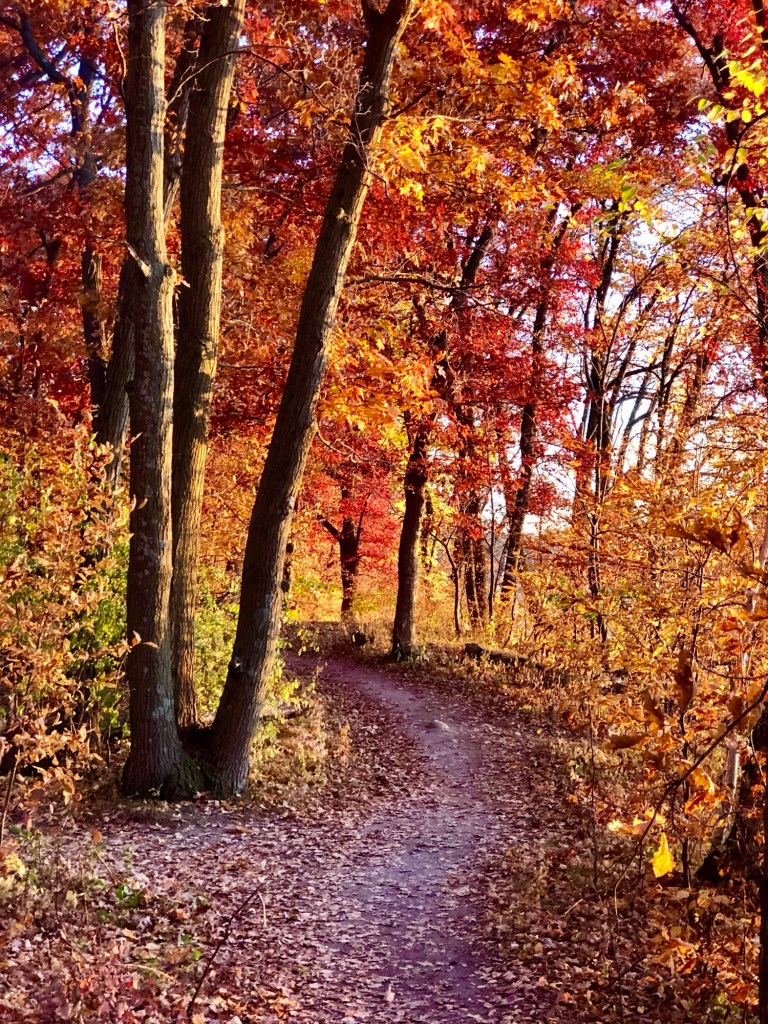
Joyful Refuge Cottage and Urban Homestead are located in Minnesota in Zone 4b. We have long cold winters, short springs, hot, humid summers and glorious falls where our hardwood forests turn a magical kaleidoscope of reds, golden and oranges.
I am very aware dates and what you grow varies greatly depending on your gardening zone, your individual micro-climate and even changing weather patterns. I am in zone 4b so my calendar works well for me here in central Minnesota but it may vary greatly depending where you are located.
January– I make vanilla from vanilla beans and vodka since it takes 9-10 months to make good vanilla. This way it should be ready for holiday baking and using as gifts. I make broths for soups I freeze instead of can due to my histamine issues with Mast Cell Activation Syndrome aka MCAS. I make up herbal preparations from herbs harvested and dried last summer. I often buy frozen 5lb boxes of various berries from Azure Standard to can. This year I did blackberry jam and cranberry sauce.
I double check all my seeds, get rid of too old of ones and see if any I missed ordering and make my garden plan for this year.
This year we got a half grass fed beef from a local farmer in second week of January. To fit it in our freezer we ended up sorting and reorganizing our upright chest freezer and freezer drawers in both fridges.
February – Early in the month I will begin prepping and planting for winter sowing in milk and distilled water jugs those seeds that need cold stratification (I researched and compiled a list for my zone). I may do more broths or can some meats. I will be harvesting the ginger root I planted early last spring this month.
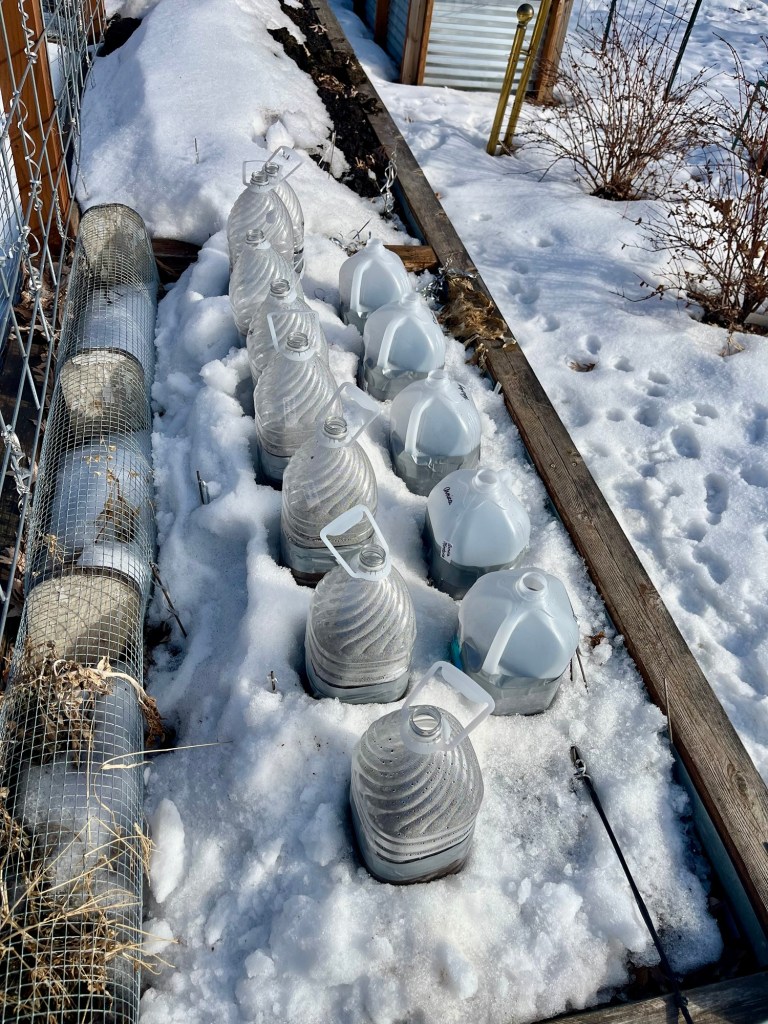
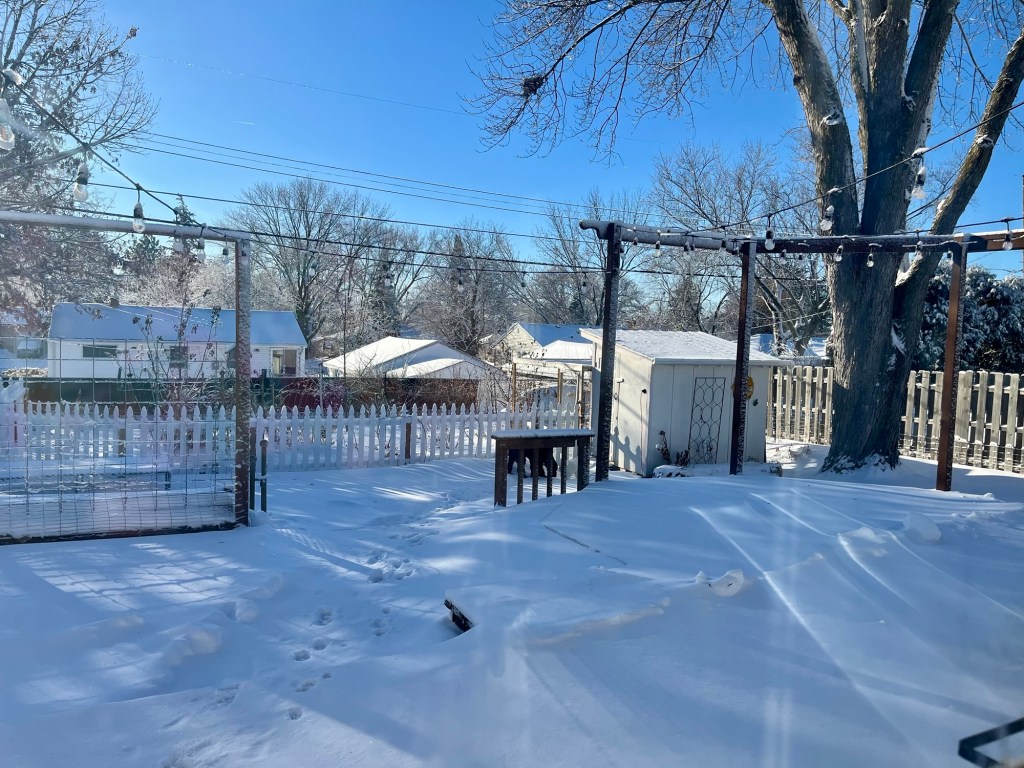
March – It is usually still snowy here but one year we had 60s first week and snow later.
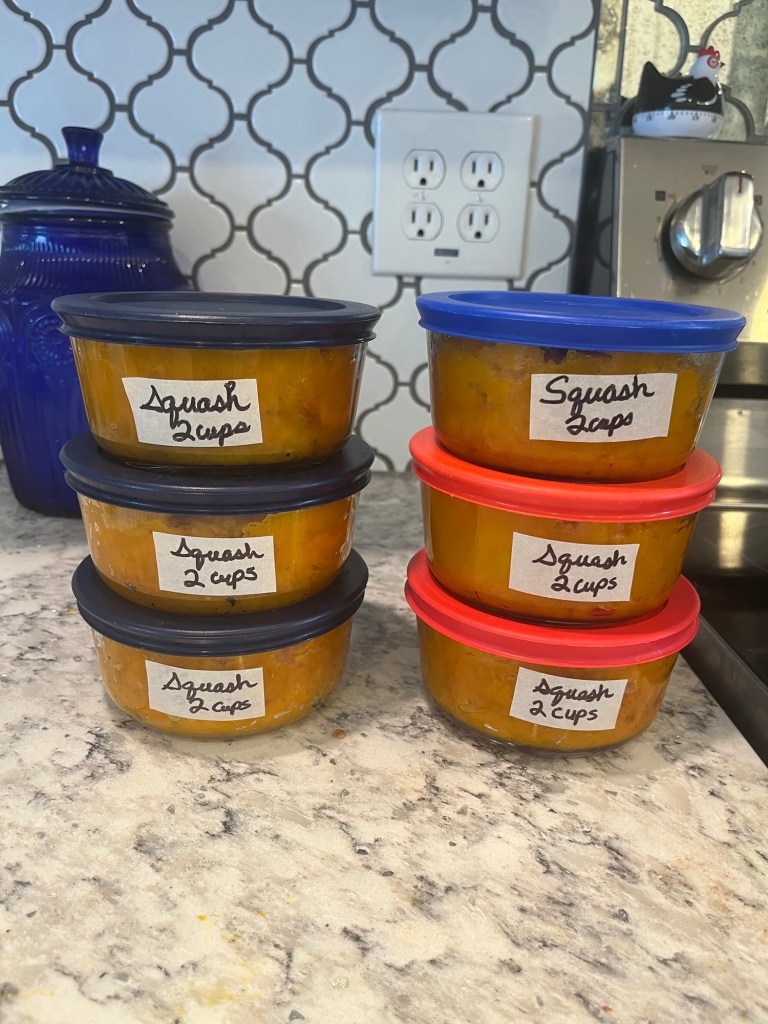
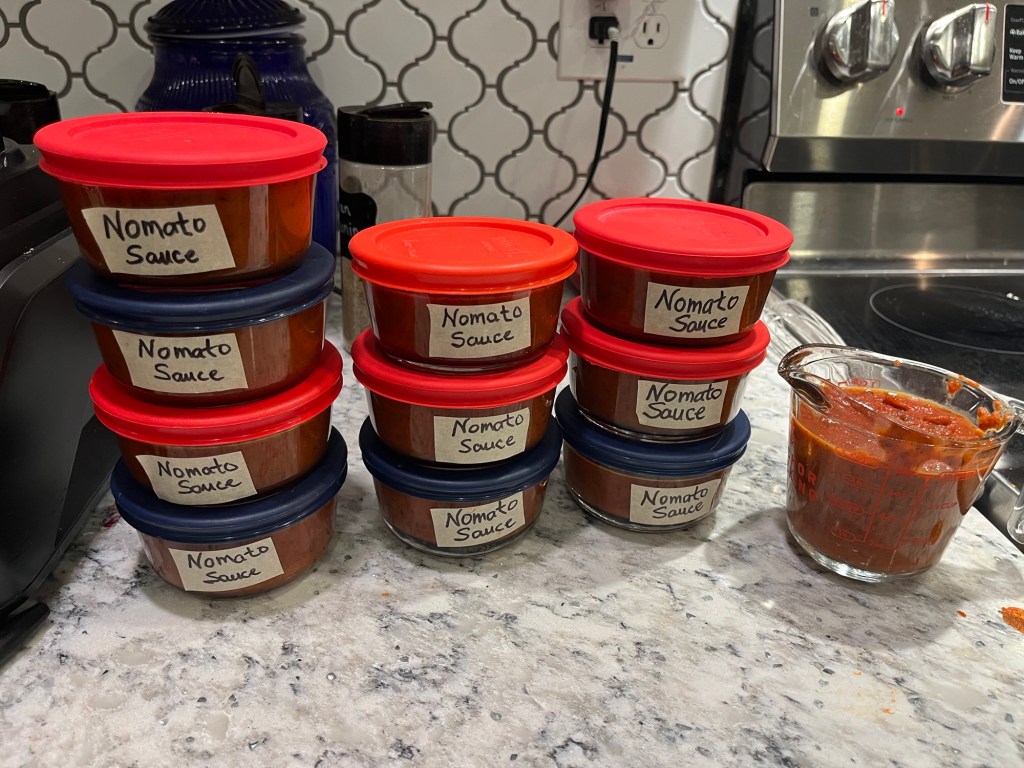
I do more winter sowing. I focus to incorporate into our stored squash and other root crops into our meals, bake squashes left and freeze in 2 cup containers for future batches of my Nomato sauce.
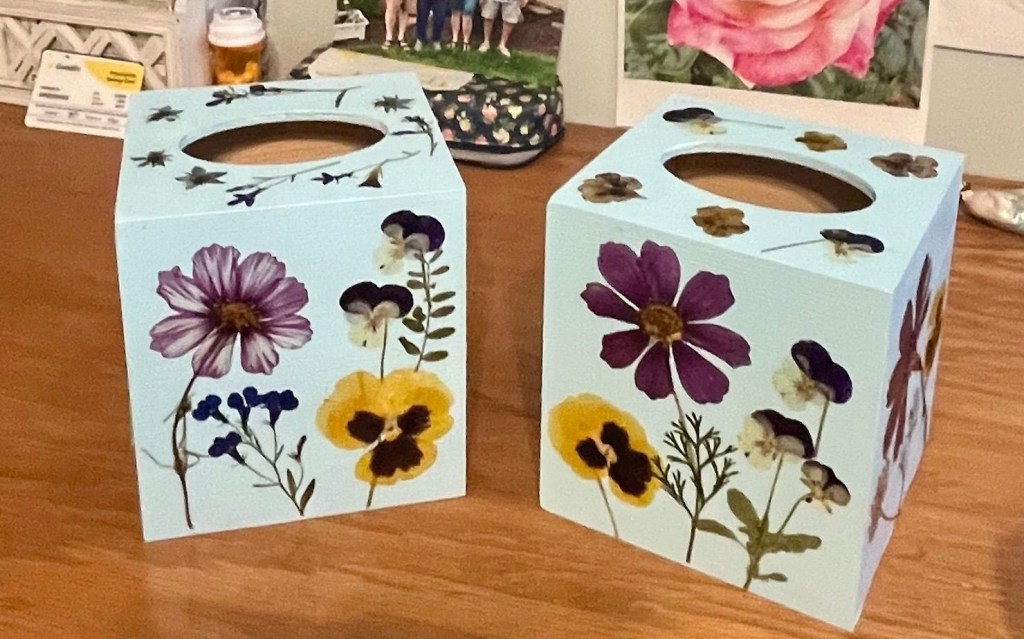
January through March I have more time to sew, watercolor or do various arts and crafts.
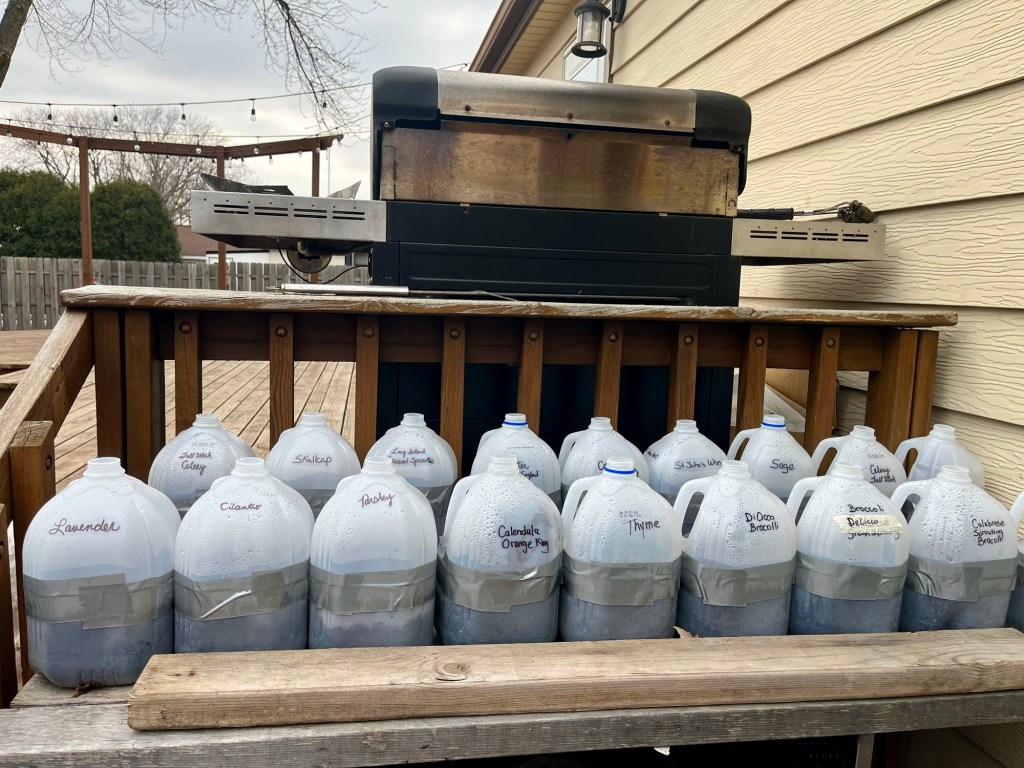
Late March/Early April – I winter sow tomatoes and peppers and tender annuals like Zinnias and marigolds. If temperature dips too cold may need to bring them inside. Last year only had to only bring inside at night a couple times. I will plant a new batch of ginger root to harvest next winter. I have it inside spring, outside for summer and back inside when temps cooled.
This year we cleaned and disinfected our glass and metal shelf with grow lights and moved it into my studio. I sterilized pots, trays, warming mats and soil and went ahead and did my warm weather seeds for tomatoes, peppers, basils, rosemary, holy basil, more alyssum, zinnias and nasturtiums.
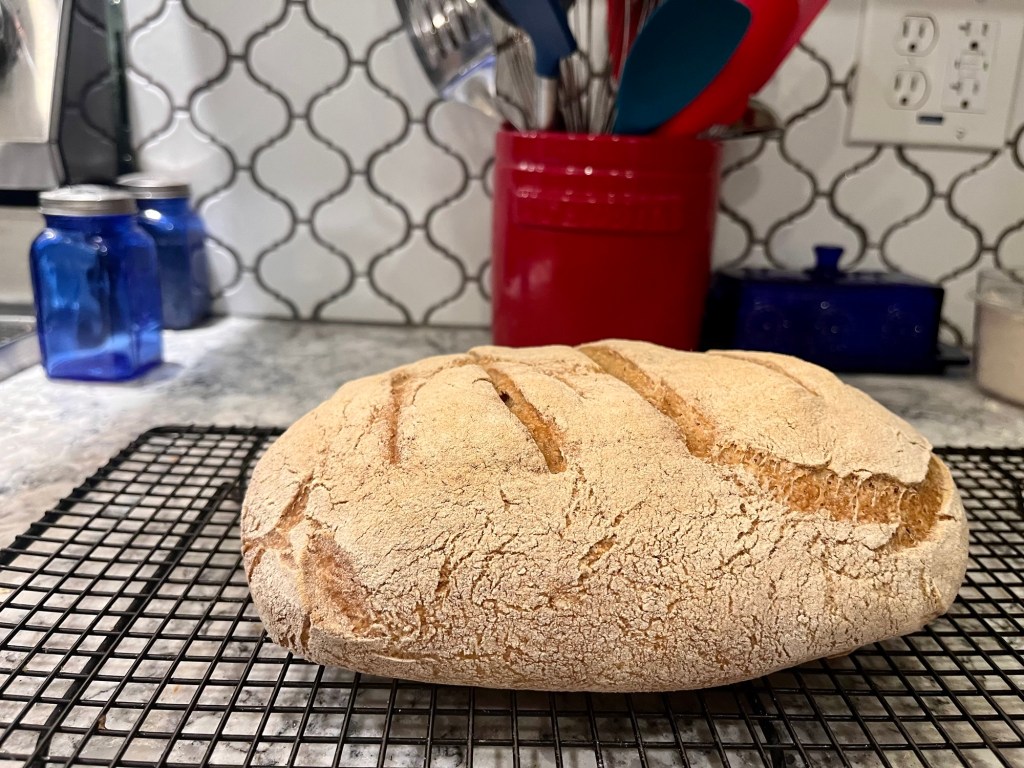
April – After our snow is gone and ground thawed we clean out raised beds, add a couple inches of compost. Three years ago we had snow from November 14 to third week of April so unable to do much before May. We will plant potato towers, and if soil warm enough we will plant peas, beets, lettuces and carrots later in month. Our spring was colder this year (2026) so we did April early planting May 4-8th.
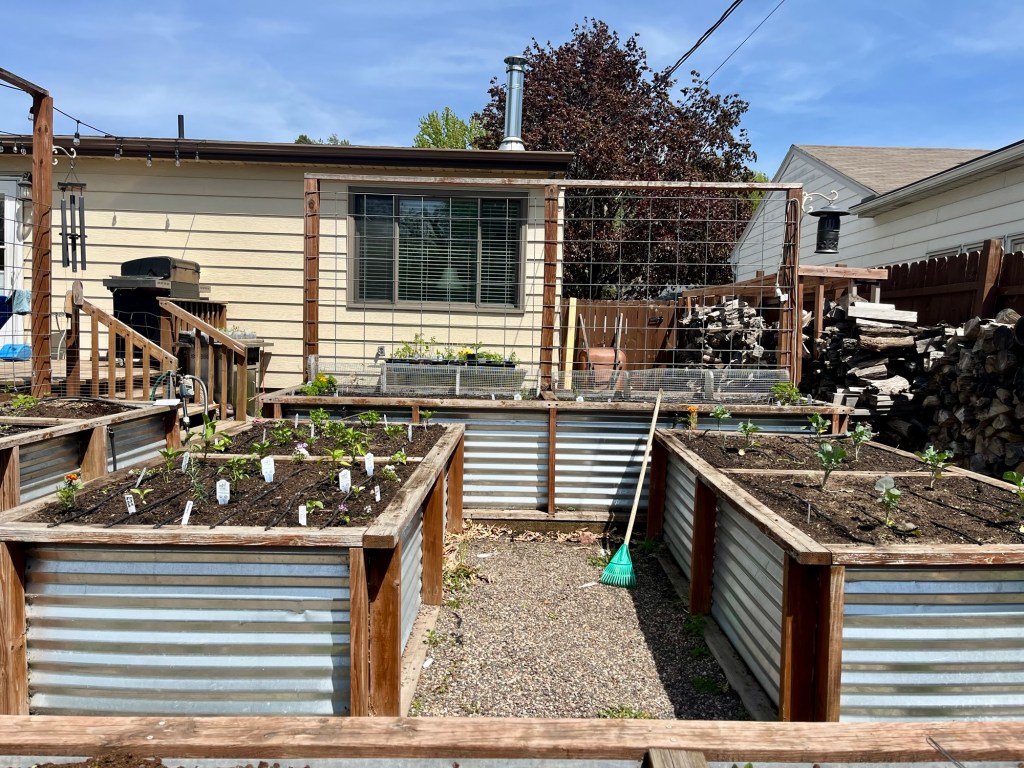
May – Heavy duty garden planting and direct seeding. We wait and do warm crops like peppers, tomatoes and cukes around May 13 though last year after checking 10 day forecast we planted them May 8. Later in the month we are harvesting several lettuces and asparagus. We don’t have a big enough crop of asparagus to put up any but we enjoy it to eat freshly picked. The last few asparagus we add to stir fry.
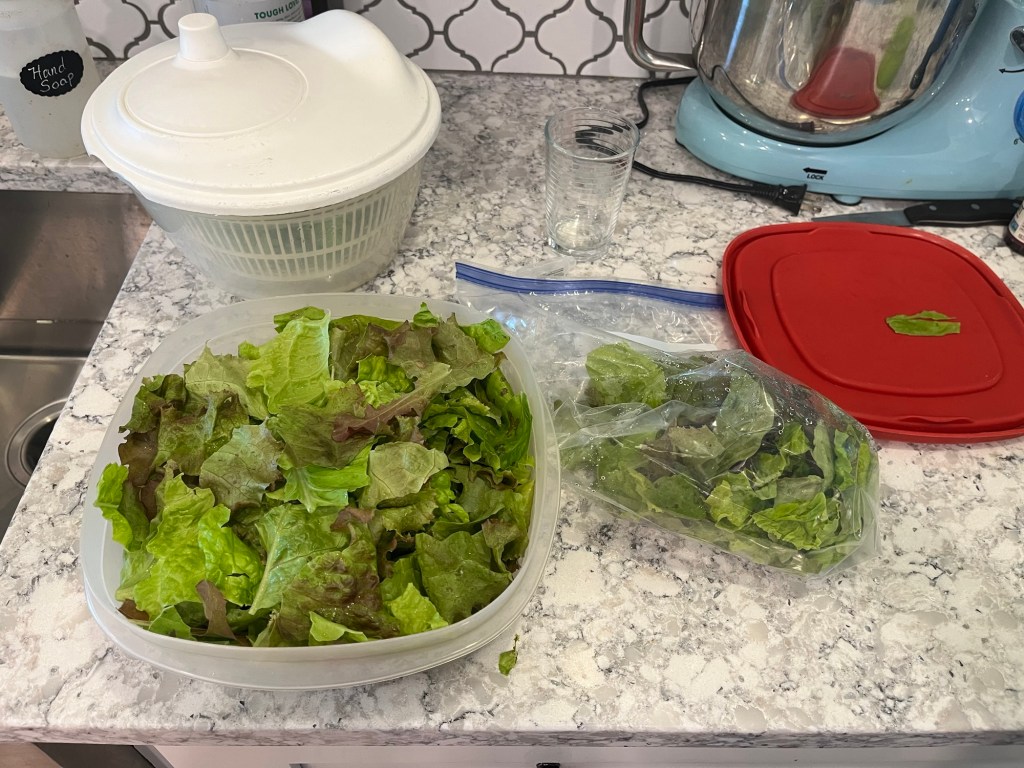
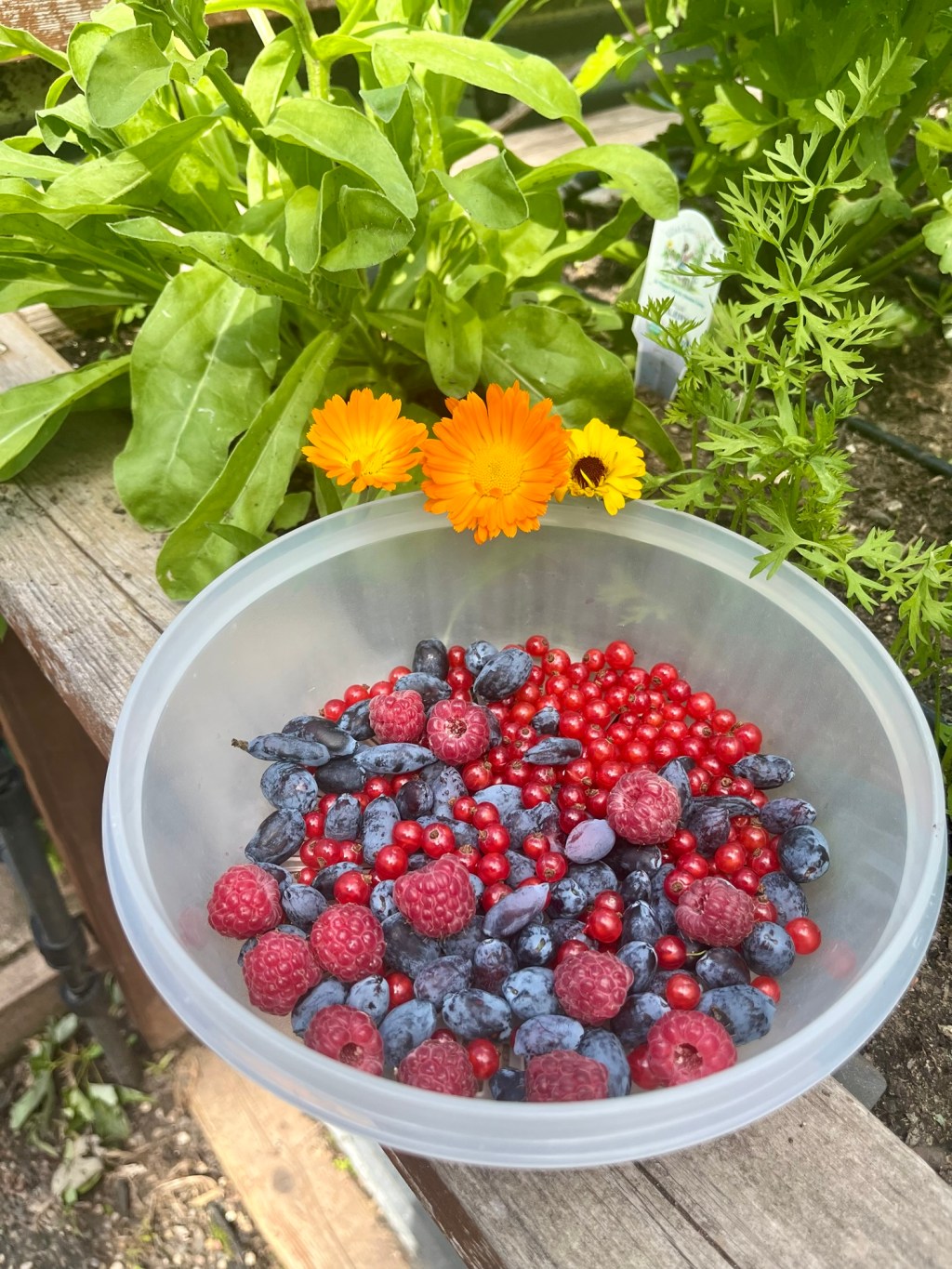
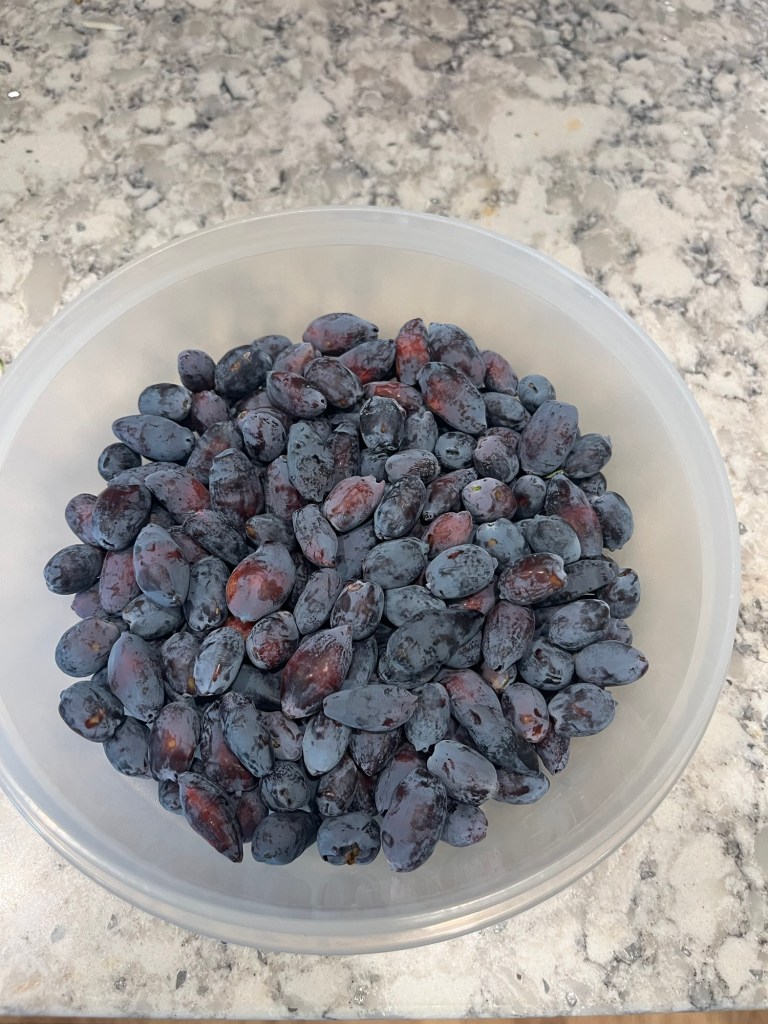
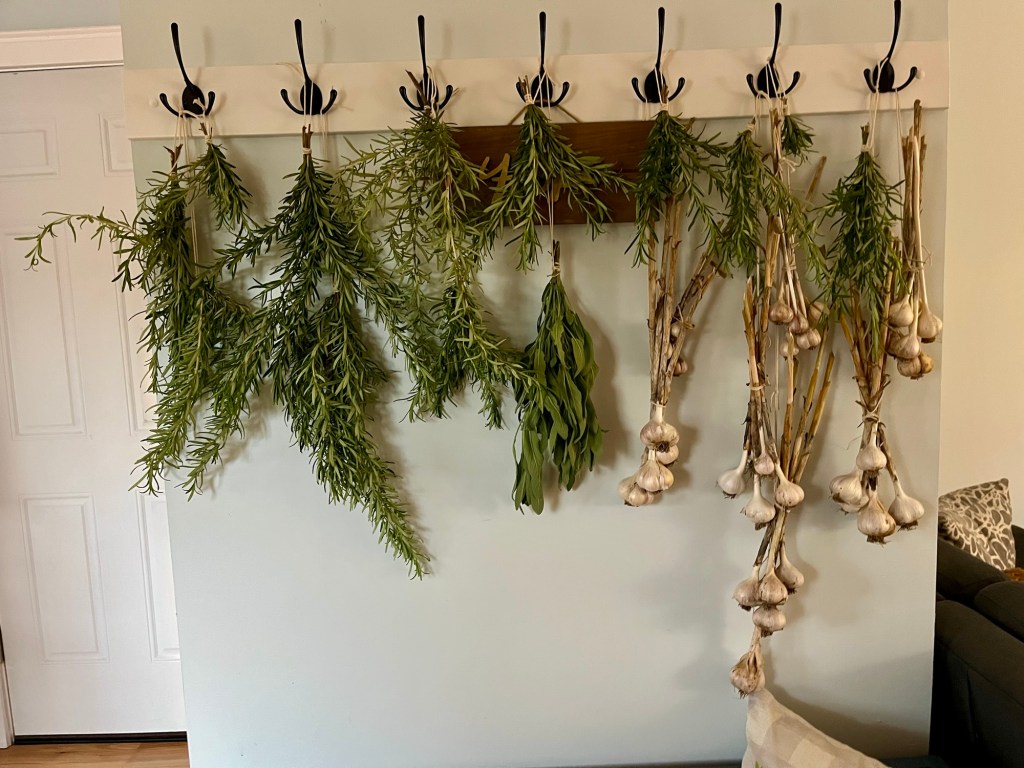
June – We harvest and enjoy sugar snap peas, rhubarb, strawberries, Honeyberries, lots of lettuces, kale, Swiss chard and herbs. Honeyberries are a northern native football shaped blueberry with flavor midway between blueberries and huckleberries will ripen. We freeze them for adding to muffins, scones etc. Other than honeyberries we will eat most of this fresh but may make some jam or a pie with strawberries and rhubarb. Garlic scapes removed from hard neck garlics and use with herbs like basil, oregano and parsley to make a pesto and freeze. Freezing removes the hot bite of the scapes. Herb drying is usually in full swing. Last week in June we can begin harvesting first few handfuls of raspberries and red currants ripen.
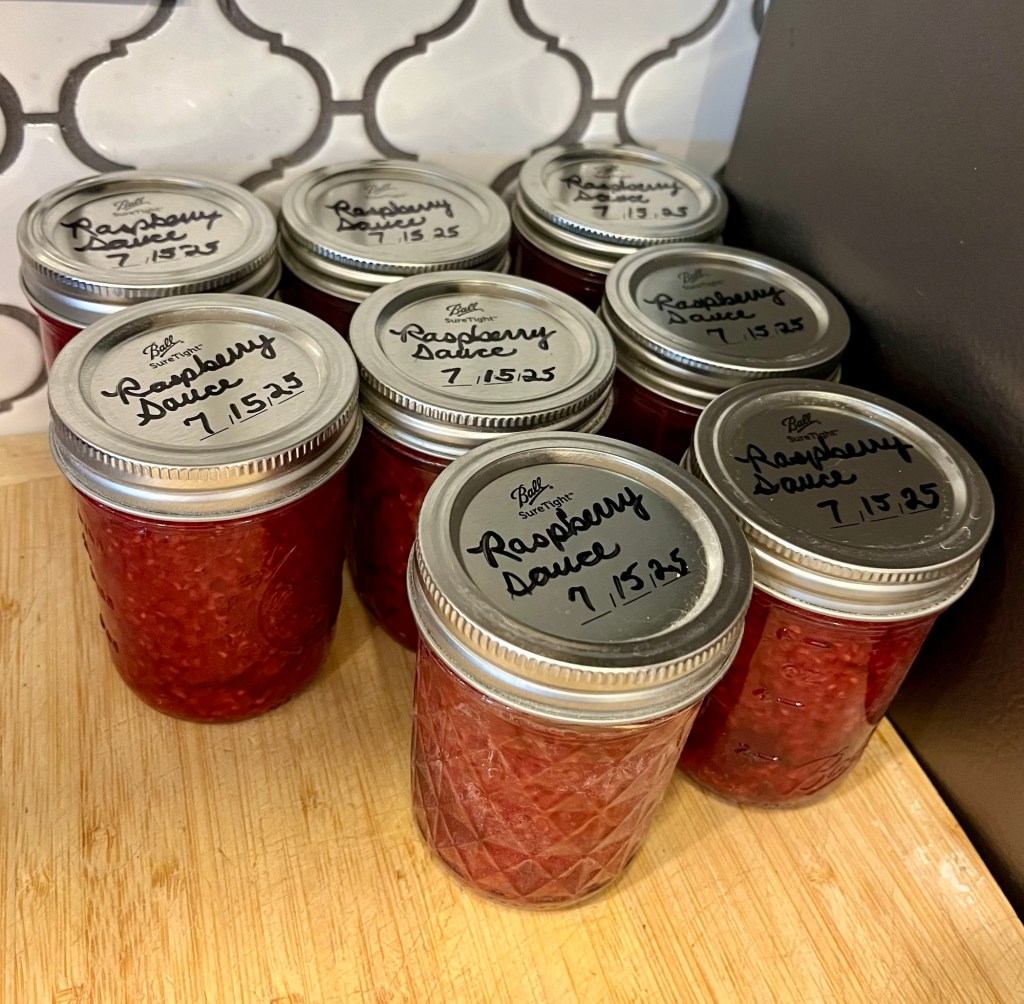
July– Our fifty feet of raspberries will produce so much this month. I will can raspberry jam, raspberry sauce which is amazing on vanilla ice cream, pancakes or waffles, make fruit leather by mixing some applesauce into raspberry puree and dehydrate or freeze raspberries. Red currants ripen late June to early July and we freeze to use in scones, muffins etc. Tomatoes my husband eats fresh and I can him an oven roasted tomato sauce. We get our first slicing cucumbers this month and we eat fresh and share and do not do pickles because not something I tolerate. By end of July we harvest first planting of green beans, can them and plant a second crop. Since empty eaters we use pints instead of quarts and I can at least 60 jars of beans a season plus enjoy fresh. We may harvest some varieties of beets to eat now but we raise cylindra beets which do not get woody so wait and harvest in fall when larger for storage. Plant second crop of sugar snap peas. Oodles of herbs hanging to dry or drying in our two dehydrators. Basil made into pesto to eat with pasta and frozen in glass containers in freezer.
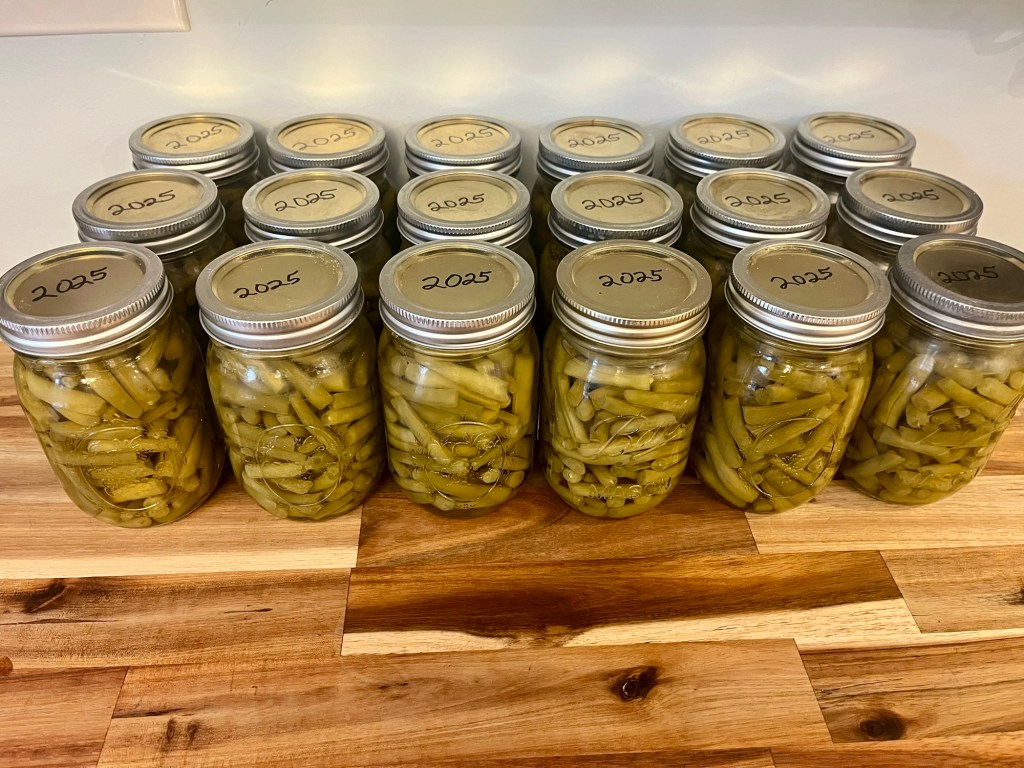
End of July – We plant second crop of green beans. Garlic is usually ready to be harvested and put into bunches to hang and air dry
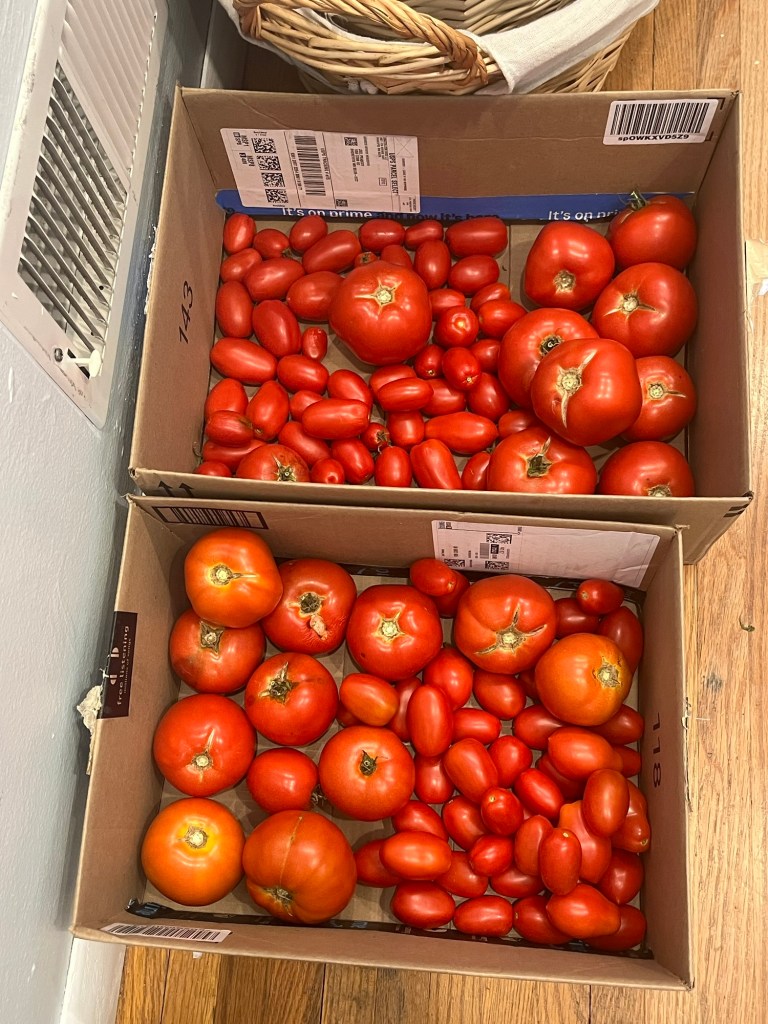
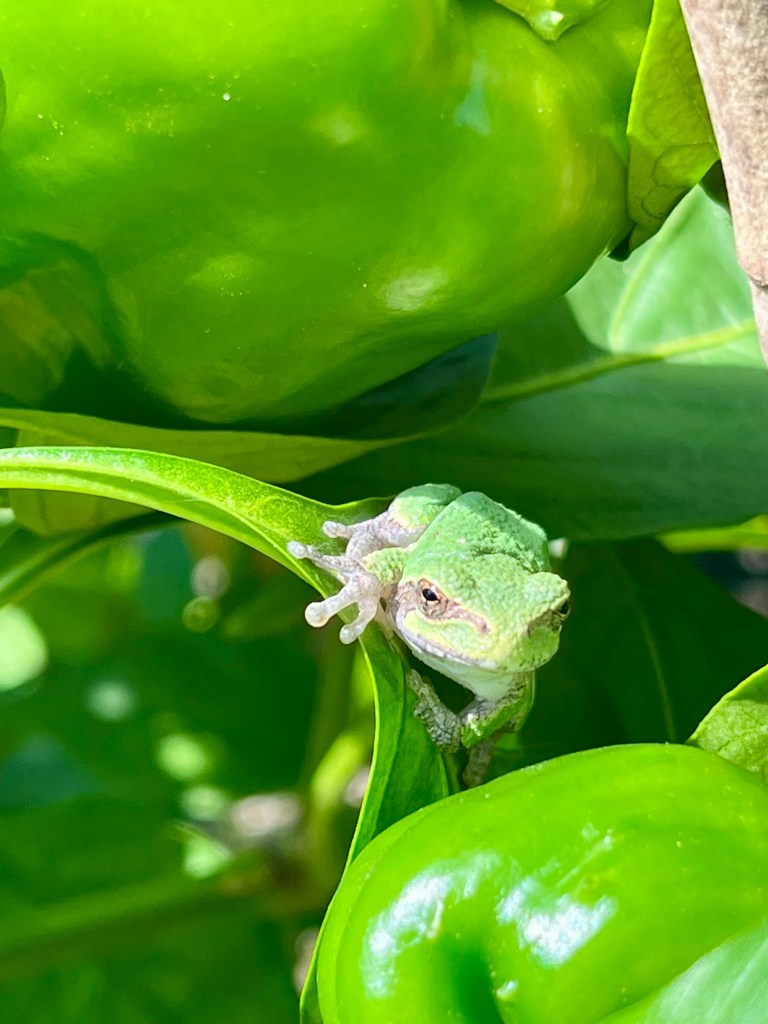
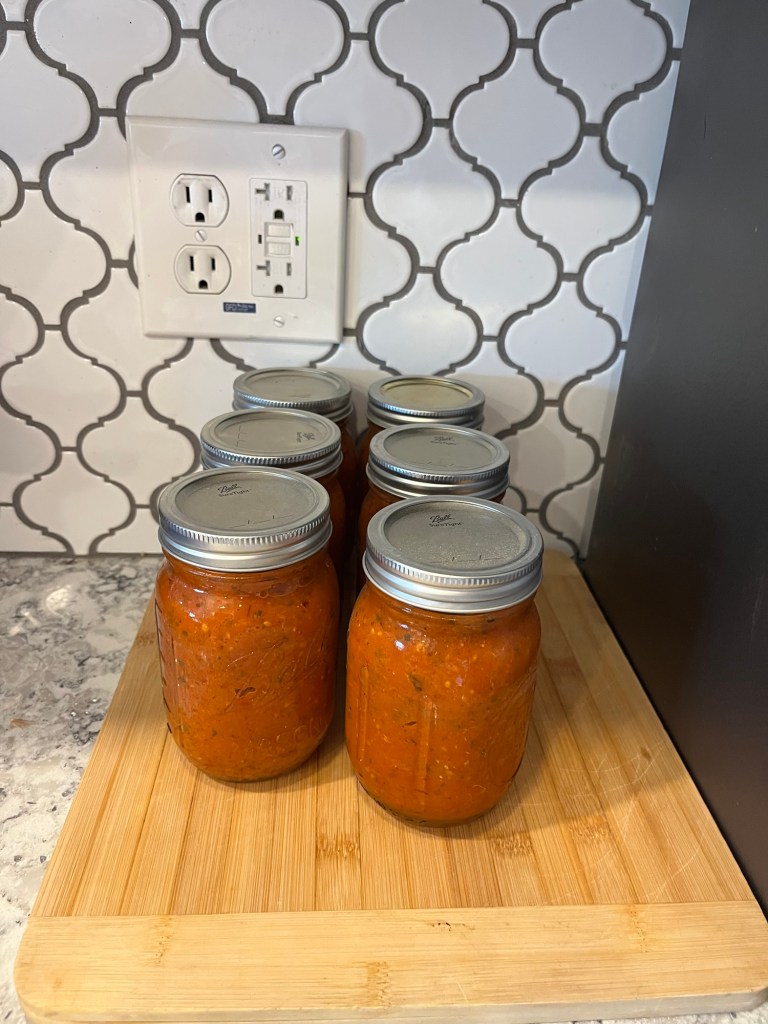
August – Still picking raspberries, and our blackberries are beginning to ripen we enjoy them fresh and make them into my favorite jam. Tomatoes are ripe and continue to can tomato sauce and pizza sauce. My roasted tomato sauce I use my fresh herbs, onions, garlic in and sometimes bell peppers so I pressure can it. Cucumbers we continue to eat fresh and share with our daughter’s family, Bell Peppers are ripe and husband wantsthem cut in strips in freezer bags in freezer for him to use year round in scrambled eggs or omelets. Still tons of herbs medicinal and culinary to dry. Basil pesto eating and in glass containers in freezer. Also drying basil for cooking.
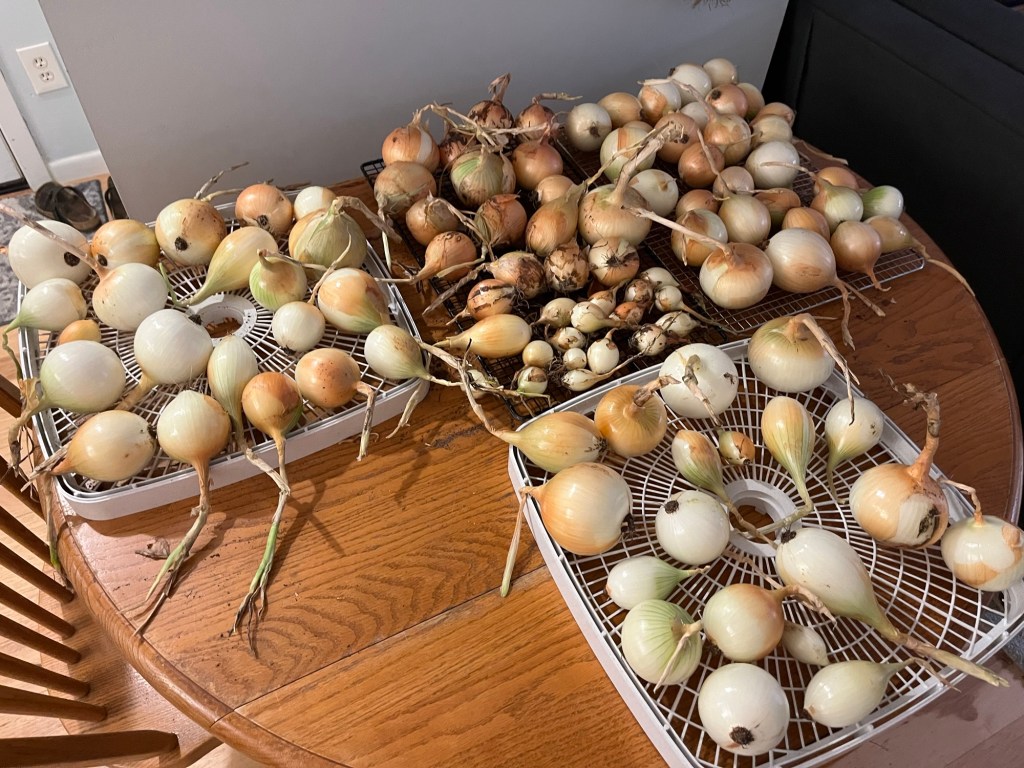
Late August or Early September – Our onions usually are ripe. I set them up on screens on table to dry skins so store well.
September – Early apples ripen (our trees are young so we just ate them), we will begin watching ads locally or order from Azure Standard some boxes of apples to be able to can lots of applesauce and apple pie filling. We are still harvesting and putting up tomatoes, peppers, herbs, fall raspberries, blackberries still ripening. Basil pesto eating and in freezer. I take cutting of herbs to root then once have roots plant in mason jar hydroponics for fresh use through out the winter. Next spring when warm enough will plant them outside in ground.
Early October or late September – I can second harvest of green beans.
October – We will get more apples for sauce and/or pie filling. We have three apple trees planted so hopefully in 2-3 years will raise all the apples we need. We likely will be continuing to make and can tomato sauce and pizza sauce, as well as harvesting and cutting peppers in strips to freeze. We will harvest our root crops though wait for a frost to sweeten the carrots. Root crops we wash, air dry, bag in gallon zip lock bags and store in our second refrigerator in the basement. Winter squash is harvested when skins are hard and we store in our dining room. We may have some small pickings from our raspberries and some herbs.
As weather cools we empty large pots we had flowers in and put them, patio furniture and bird baths away into shed for winter.
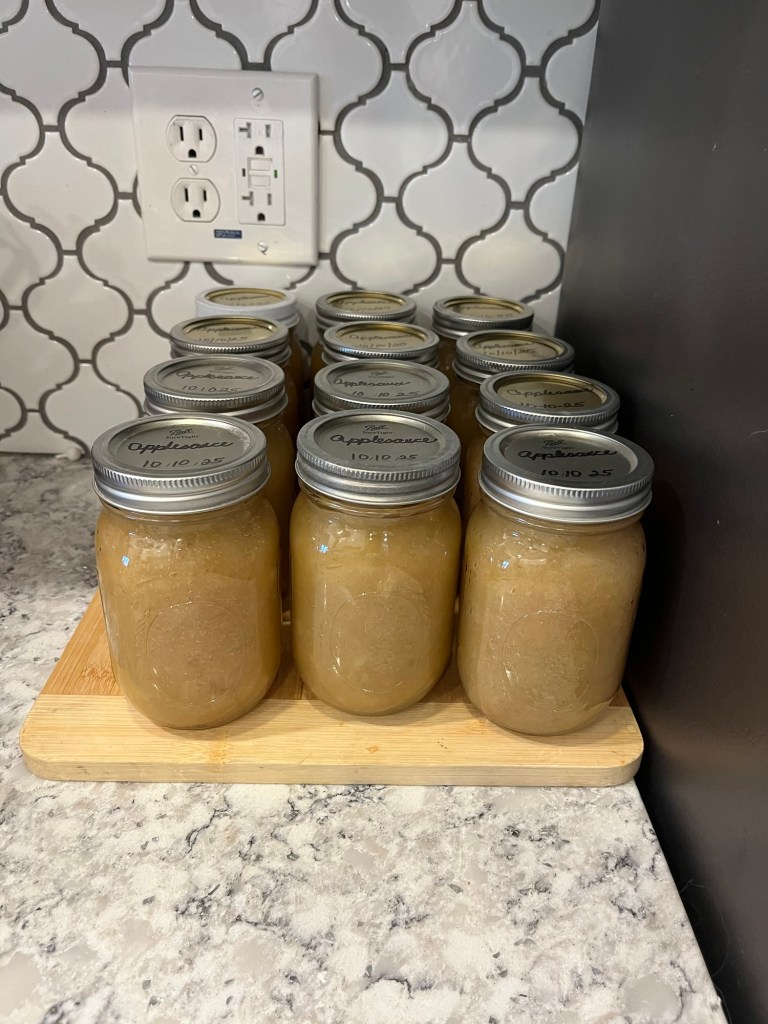
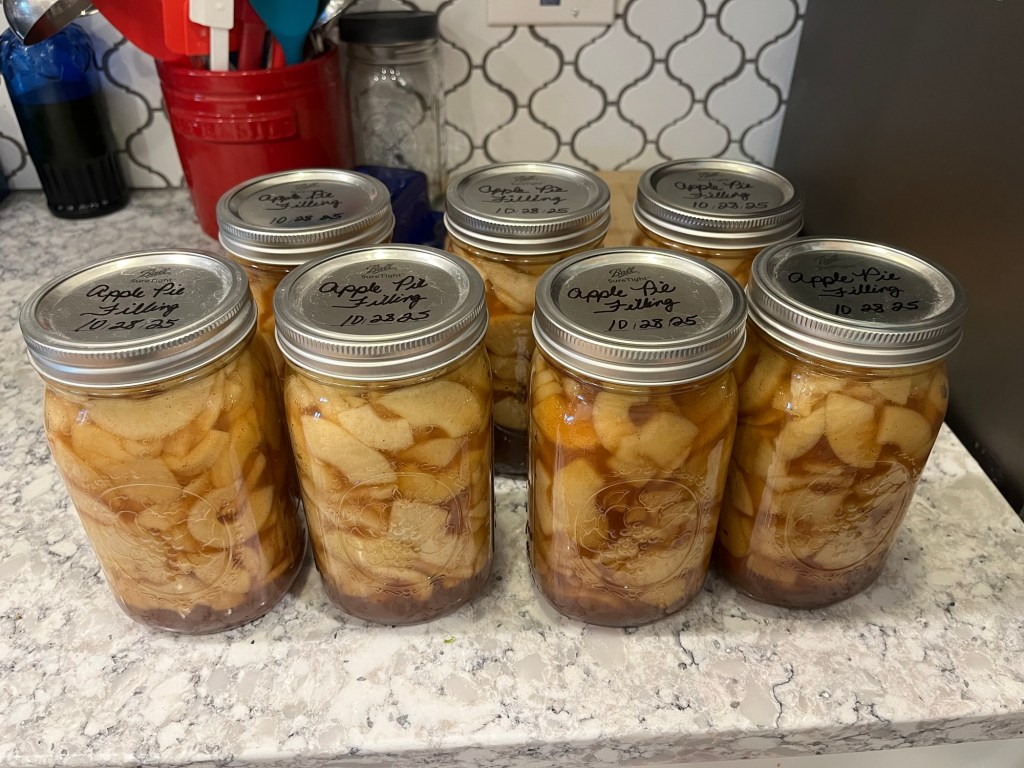
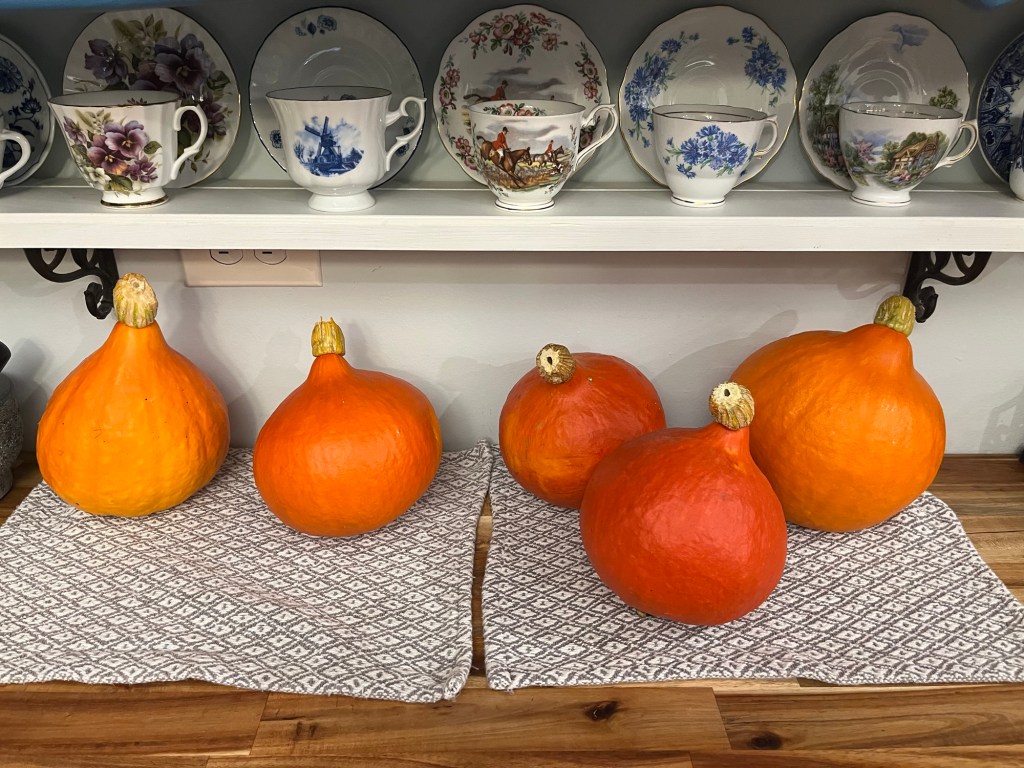
November – usually pretty much done with garden and preserving. We try to pull up tomatoes, peppers, and most all plantings out of raised beds. We feed some to our chickens (they love brassica plants) and compost others. Often we get our first snow in November. My focus is now on holidays. I can a couple canners of cranberry sauce as they are on sale before Thanksgiving. We use it at holidays and with roast chicken etc throughout the year.
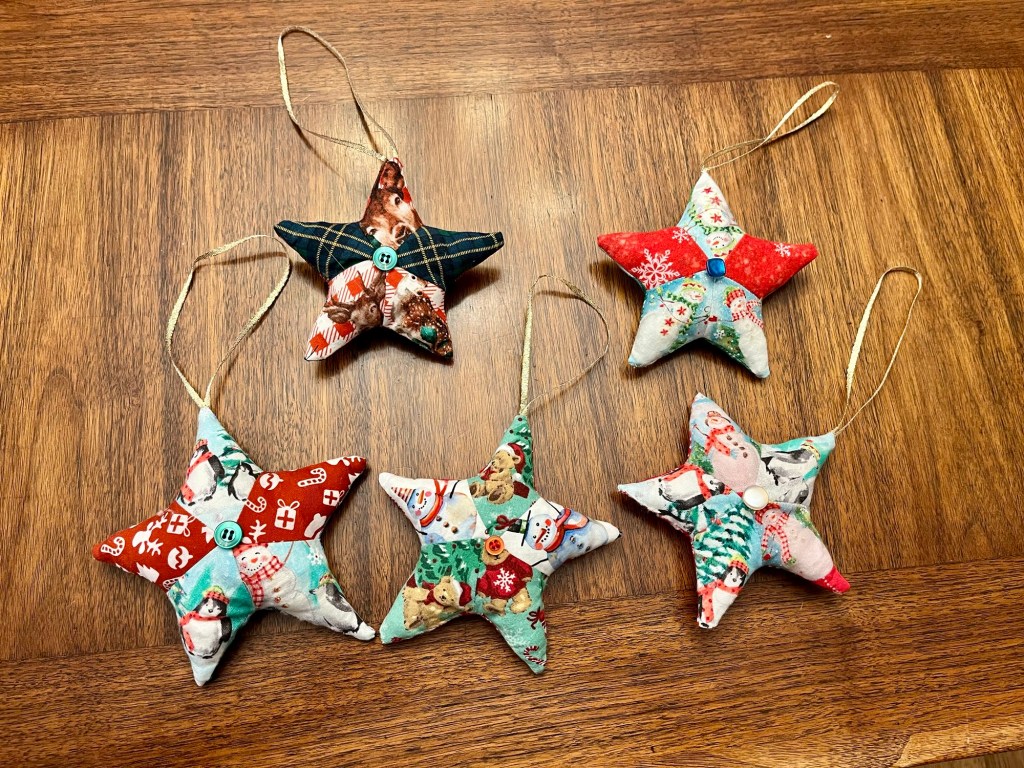
December – I am not preserving because my focus has turned to the holidays and holiday baking. I make ornaments for each of my seven grandkids each year for them to open on Christmas Eve.
Year Round – Every few weeks I make up a batch of Nomato sauce and freeze in 1 cup glass containers to use in soup, casseroles, tacos, pizza and more.
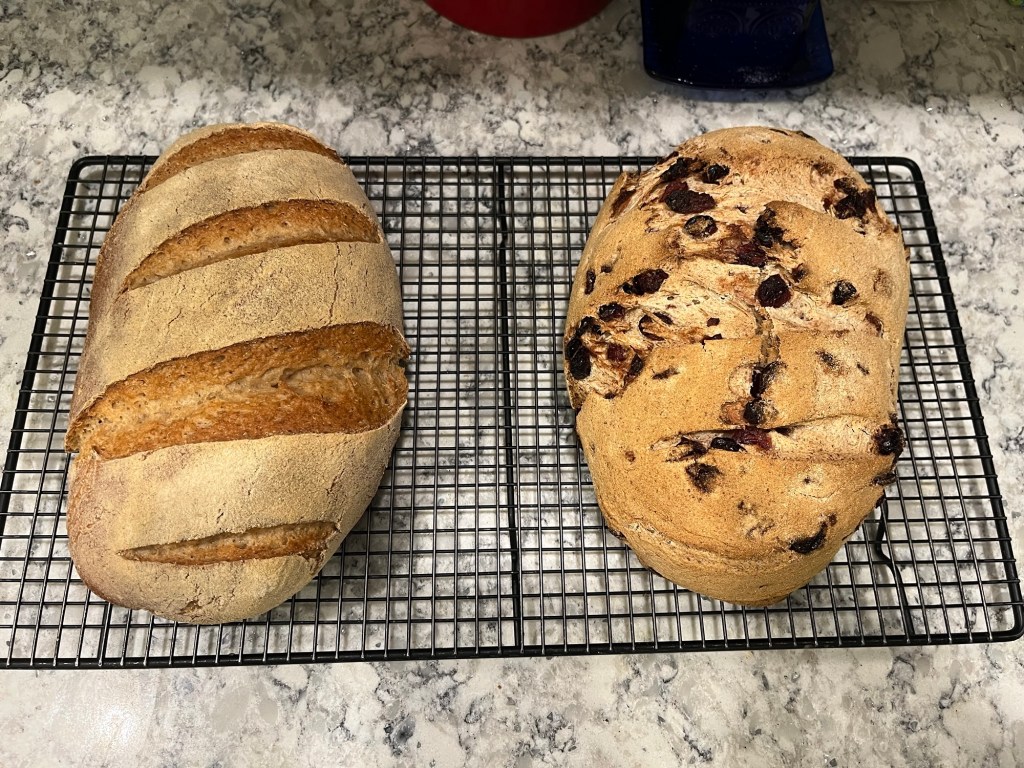
I am feeding my starter and baking gluten free sourdough breads, hamburger buns and using discard to make things like cookies, waffles and more.
This is a basic rhythm but life brings its surprises and plot twists. Weather varies from year to year. But this gives a rough idea of our suburban homestead at Joyful Refuge.
Blessings,
Deb


Leave a Reply